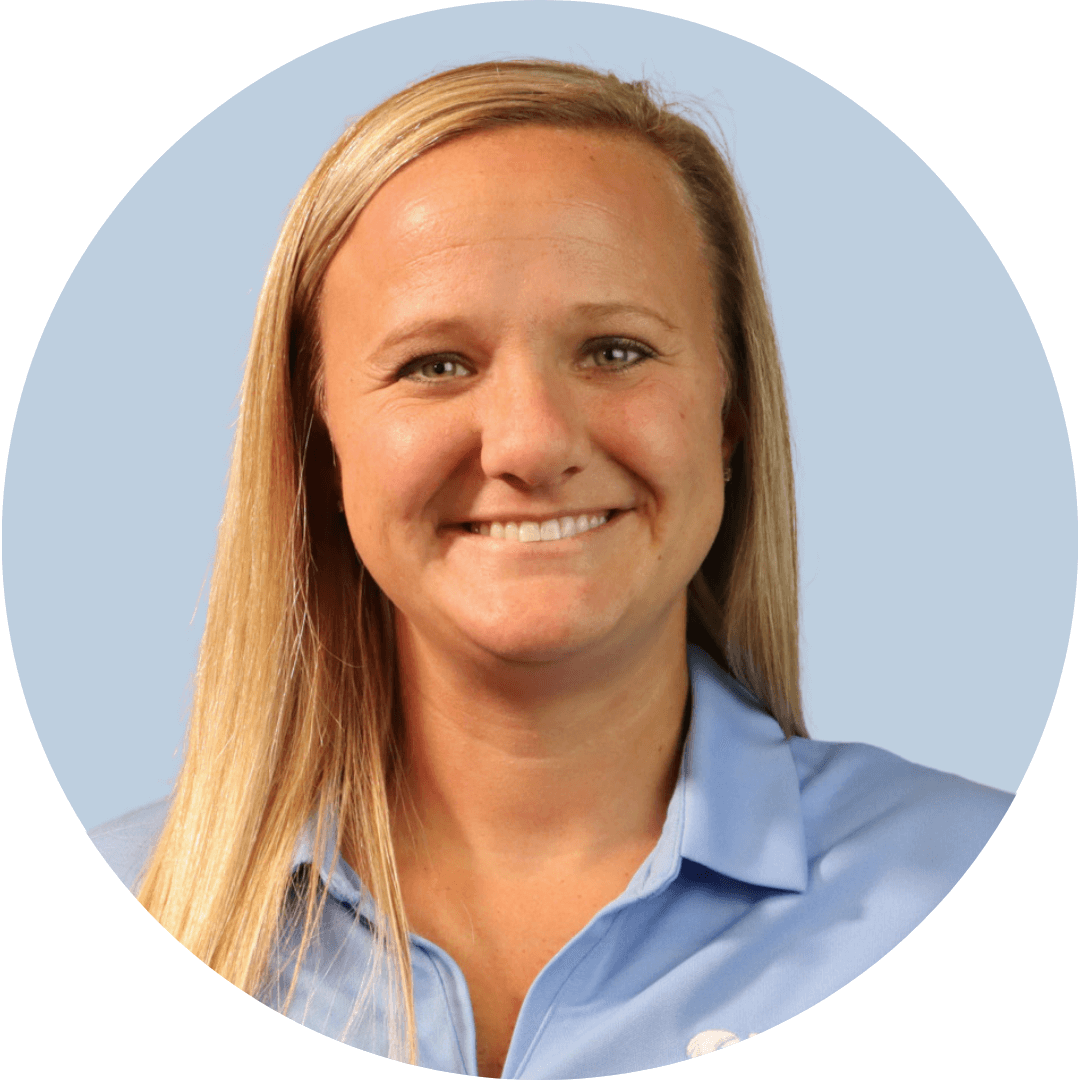
In Python Fundamentals Part 2, Emily Taylor helps learners move from basic Python building blocks into more complete, practical programming patterns. This course builds on the foundations from Part 1 by showing how individual statements become working programs, how to use string methods and list tools more effectively, and how loops can help process larger sets of information. Learners will also work with lists of dictionaries, a common structure for organizing real-world data in Python.
This course continues the hands-on Python Labs experience, giving learners more opportunities to practice, troubleshoot, and apply each concept as they build confidence. You’ll explore list comprehensions, error handling, imports and libraries, and more advanced function patterns before bringing everything together in a capstone project. By the end, you’ll be more comfortable writing Python programs that are organized, reusable, and ready for more practical data or automation workflows.
Course Outline ( Free Preview)
Module 00 - Introduction
Emily introduces Python Fundamentals Part 2 and explains how this course builds on the skills from Part 1. You’ll get a clear overview of the topics ahead, including strings, lists, loops, dictionaries, errors, libraries, and functions. This module sets expectations for using the Python Labs to keep practicing as concepts become more practical and program-focused.
Module 01 - Statements to Programs
Learn how individual Python statements connect together to form complete programs. Emily explains how to think beyond one line of code at a time and start organizing instructions into a logical flow. This module helps learners bridge the gap between understanding Python basics and building scripts that solve real problems.
Module 02 - String Methods70 min.
Explore string methods and how they help you work with text more effectively in Python. Emily covers practical ways to clean, transform, search, and format text values. This module helps learners understand that strings are not just static text, but flexible data that can be processed and reshaped in useful ways.
Module 03 - List Power Tools63 min.
Build on basic list knowledge with tools that make lists easier to modify, search, sort, and manage. Emily explains how to work with lists more efficiently as data grows more complex. This module helps learners strengthen one of the most important Python structures for storing and processing groups of values.
Module 04 - Loops65 min.
Go deeper into loops and how they support repeated actions in Python programs. Emily shows how loops can process items, automate repetitive work, and support more dynamic program behavior. This module helps learners become more comfortable writing code that scales beyond a single value or one-time action.
Module 05 - Lists of Dictionaries57 min.
Learn how lists of dictionaries can represent more realistic collections of data. Emily explains how this structure can store multiple records, each with labeled details, making it useful for common data and automation scenarios. This module helps learners start working with data that looks closer to what they may encounter in real projects.
Module 06 - List Comprehensions31 min.
Explore list comprehensions as a cleaner, more concise way to create and transform lists. Emily explains how comprehensions can replace some longer loop patterns while keeping the code readable. This module helps learners write more Pythonic code and recognize when a compact approach makes sense.
Module 07 - Errors14 min.
Learn how to understand and respond to errors in Python. Emily explains common error messages, why they happen, and how to approach debugging without feeling stuck. This module helps learners build confidence by treating errors as useful feedback instead of dead ends.
Module 08 - Import and Libraries118 min.
Explore how imports and libraries extend what Python can do. Emily explains how to bring in existing functionality so you do not have to build everything from scratch. This module helps learners understand one of Python’s biggest strengths, using libraries to solve problems faster and support more advanced workflows.
Module 09 - Functions Level 240 min.
Build on the basics of functions with more practical patterns for organizing reusable code. Emily explains how stronger function design can make programs easier to read, test, and maintain. This module helps learners think more intentionally about inputs, outputs, and how functions fit into a larger program.
Module 10 - Capstone97 min.
Bring the course concepts together in a capstone project. Learners will apply strings, lists, loops, dictionaries, comprehensions, error handling, imports, libraries, and functions in a more complete Python workflow. This module gives learners a practical milestone that reinforces the skills developed throughout Part 2.
Module 11 - Course Recap2 min.
Emily wraps up the course by reviewing the major concepts covered in Python Fundamentals Part 2. You’ll revisit how statements become programs, how core data structures support practical work, and how errors, libraries, and functions help create more capable scripts. This final module helps learners identify what they can practice next as they continue building Python confidence.
Emily graduated from Indiana University with a bachelor's degree in elementary education and the University of North Florida with a master's degree in educational leadership. After 11 years of teaching varying grades (K-5) in Indiana and Florida, she joined the Pragmatic Works team as a Power BI Trainer. Emily's primary goal is to provide engaging trainings that help customers gain confidence using Power BI. When not in the office, Emily enjoys camping, the beach, cheerleading, and visiting family in Indiana.