


Meet Brian Knight
About
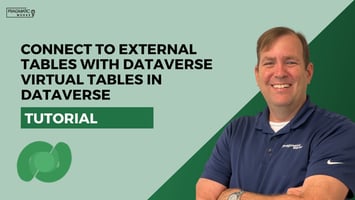
Brian Knight is the Founder and CEO of Pragmatic Works, where he has spent his career helping organizations accelerate technology adoption and turn innovation into measurable business results. A successful entrepreneur, author, and business leader, Brian has built multiple companies and has become a trusted advisor to organizations seeking to modernize their operations through data, analytics, cloud technologies, and artificial intelligence.
Known for his ability to bridge the gap between emerging technology and practical business value, Brian is passionate about democratizing technology and making complex concepts accessible to a broader audience. His work has helped thousands of professionals and organizations successfully adopt new technologies, develop modern data cultures, and create lasting competitive advantages through innovation.
Brian is the author of 20 technical books and has delivered presentations at hundreds of business and technology conferences around the world. Through his writing, speaking, and leadership, he advocates for expanding access to technology education and helping organizations build the skills needed to thrive in a rapidly changing digital landscape.
Beyond his professional accomplishments, Brian is deeply committed to philanthropy and community impact, investing his time and resources in initiatives that support education, workforce development, and charitable causes. His leadership philosophy centers on empowering people through knowledge, creating opportunities for growth, and ensuring that technology serves as an enabler of positive change for individuals, organizations, and communities.
Brian's contributions to business and technology have earned numerous recognitions, including honors from state leadership, industry organizations, and the press, such as the Business Ambassador Award and recognition as a Top CEO. Today, he continues to guide Pragmatic Works' mission of helping organizations successfully adopt emerging technologies while making those technologies more accessible, understandable, and impactful for everyone.
Specialties
- SQL Server
- SSIS
- SSAS
- BI
- Data Mining
- high availability
- security
- clustering
- performance tuning
- community website development
Speaker
- PASS (8 years)
- SQL Connections
- TechEd (4 years)
- Dozens of Code Camps
- 2 SQL Server Launch Events
- SQL Saturday many times
- Many SQL Server local user group meetings
- Backoffice Conference
- Wrox Conference
Publications
- Professional SQL Server 2014 SSIS
- Professional SQL Server 2012 SSIS
- Professional SQL Server 2008 SSIS
- Professional SQL Server 2005 SSIS
- Professional SQL Server 2012 Administration
- Professional SQL Server 2014 Administration
- Problem Design Solution : SSIS
- Professional SQL Server 2008 Administration
- Professional SQL Server 2005 Administration
- Professional SQL Server 2000 DTS
- Expert SQL Server 2005 Integration Services
- SQL Server 2000 for the Experienced DBA
- Admin911: SQL Server
Certifications
Microsoft Certified Trainer
Microsoft
PL-600: Power Platform Solution Architect Expert
Microsoft
PL-200: Power Platform Functional Consultant Associate
Microsoft
PL-400: Power Platform Developer Associate
Microsoft
Popular articles by Brian Knight




What our clients say
Popular on-demand courses
Pragmatic Works On-Demand Learning courses offer beginner to advanced classes taught by Microsoft MVPs and authors.


.svg)
Get our special offers directly to your email

.png?width=564&height=618&name=Vector%20(2).png)
-2.png?width=380&height=384&name=Vector%20(14)-2.png)